These photos from my own collection were used in the Ipswich Museum exhibition, ‘You Are Here’. Much larger and equally fascinating collections of local photos and other images are held by the Ipswich Society, Ipswich Maritime Trust, David Kindred, Borin van Loon, Ipswich Transport Museum, Simon Knott and, of course, Suffolk Archives.
If you want to know more about any of the people in these photos – all of whom have Ipswich connections – then please email me.
Nineteenth century
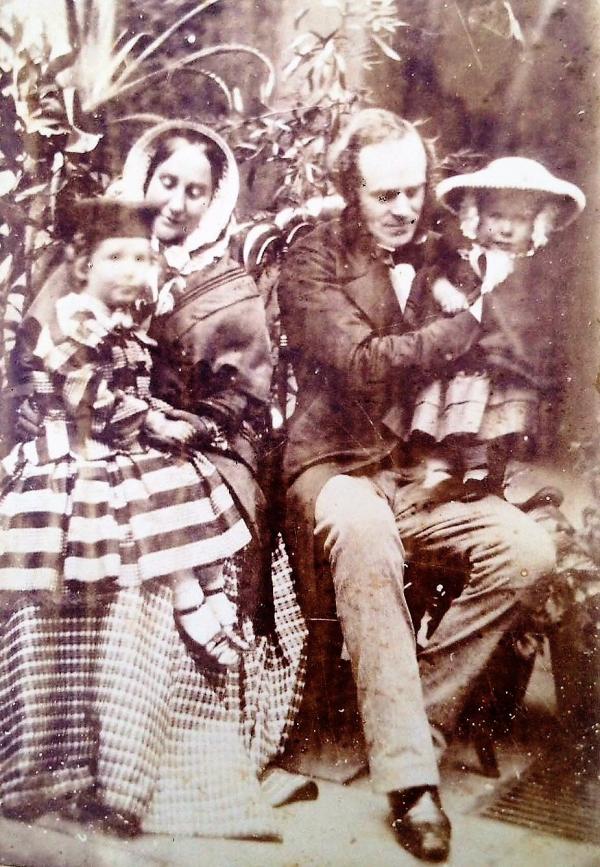
Mary Ann and Henry Corder with their two children: a posed but lively family photograph taken in 1858/1859. The photographer seems to have been none other that Richard Dykes Alexander, a nationally prominent pioneer photographer and a member of Mary Ann’s family. Suffolk Archives holds other examples of Richard Dykes Alexander’s work including a stereographic image of this family possibly taken on the same day as the subjects are wearing the same clothes as in my photo.
Mary Ann (1815-1913) was one of the extensive Alexander family, wealthy Quaker bankers and leading lights in C19th town life. She was a water-colourist and some of her paintings of her childhood home are on this website under ‘The Alexanders of Goldrood’. Her husband, Henry Shewell Corder (1814-1912), was the son of another prominent Quaker family. The Corders owned a large drapery in Tavern Street for many years.
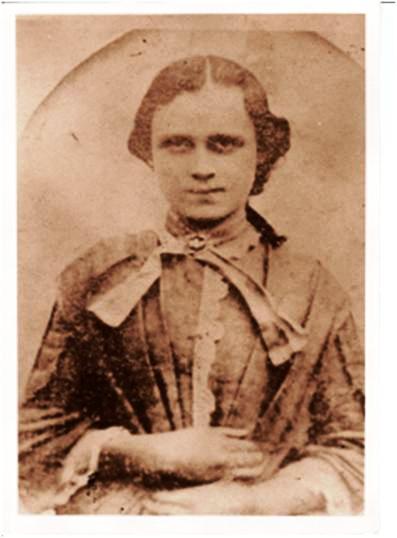
Charlotte Alderton (1843-1904): bargeman’s wife. Lived in the area around Albion Street, Ipswich. Photo taken 1860s.
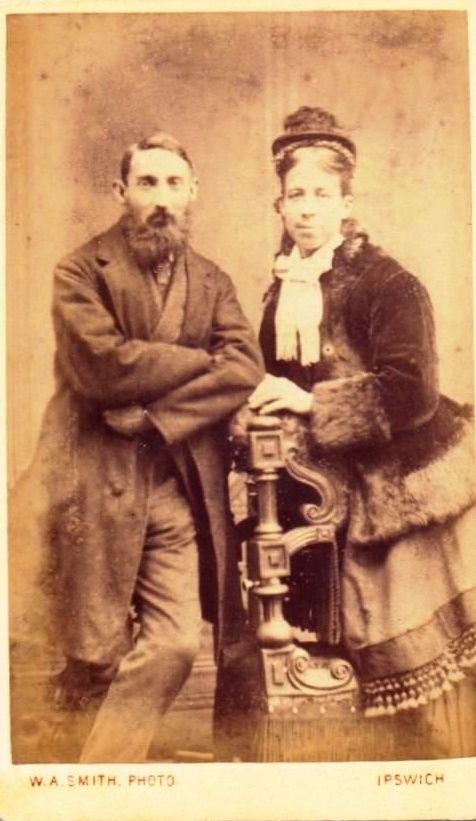
This anonymous couple were captured at Smith’s Photographers, Brook Street, Ipswich, probably in the 1870s. The studio was opposite a silverware shop run by the Levy family. (The building is still there and the shop has been trading as ‘Mattressman’ until recently). The Levys were members of a small and rapidly dwindling Jewish community living in Ipswich. Is it too far-fetched to speculate that the couple were members of the Levy family? The portrait was produced as a carte de visite – a type of small photo the size of a visiting card which became popular and collectable throughout Europe and America from the 1860s.
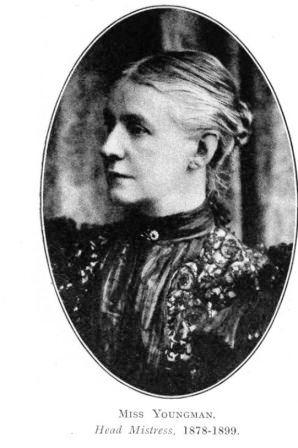
Sophie Youngman (1849-1907): first headmistress of Ipswich High School for Girls (Northgate Street) and campaigner for votes for women.
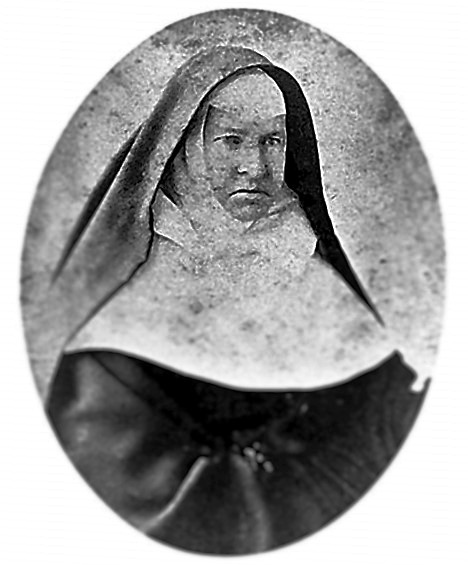
Sister Mary Bernard (1810–95): Born in Ipswich as Julia Dickson, she converted to Catholicism as a young women and took the veil. She was one of five nuns who were assigned to nurse directly under Florence Nightingale in the Crimean War.
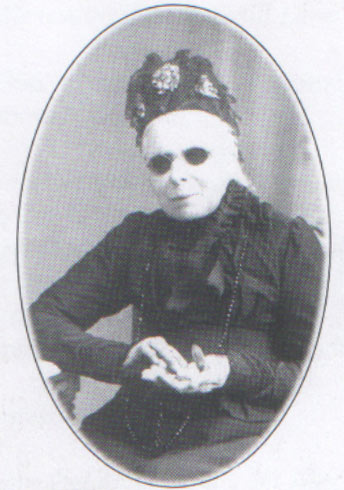
Eliza Mee (1825-1912): Blind from birth, Eliza Mee led the choir and played the organ at St Mary’s Church, Bramford, for many decades.
Turn of the twentieth century and the Great War
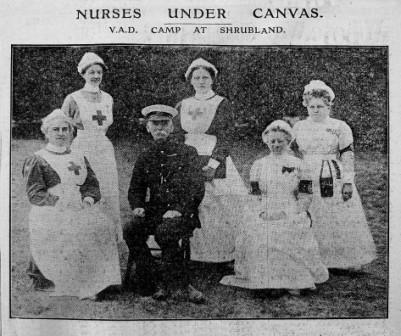
Mary Coulcher (b. Rickinghall Superior 1853 – d. 1925): Miss Coulcher (sitting on the right in the photo) was the first woman to be elected to Ipswich Borough Council. The Qualification of Women Act, 1907, allowed women to stand for election to county and borough councils and in the 1909 election, Miss Coulcher agreed to put herself forward as a candidate. She was duly elected, defeating her Liberal opponent by 400 votes. A life-long Tory, she represented the mostly affluent ward of St Margaret’s. Her true passion, though, was her work with the Ipswich St John Ambulance. In this photo she was attending a training session for VAD nurses on the eve of the Great War in July 1914.
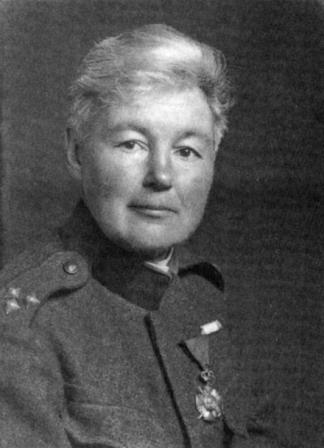
Flora Sandes (1876-1956): Flora Sandes grew up in the Marlesford area. She fought in the Serbian Army in WW1 – the only British woman to serve officially on the front-line. She was awarded Serbia’s highest military medal. In retirement, she returned to East Suffolk and died in Ipswich.
1920s /1930s
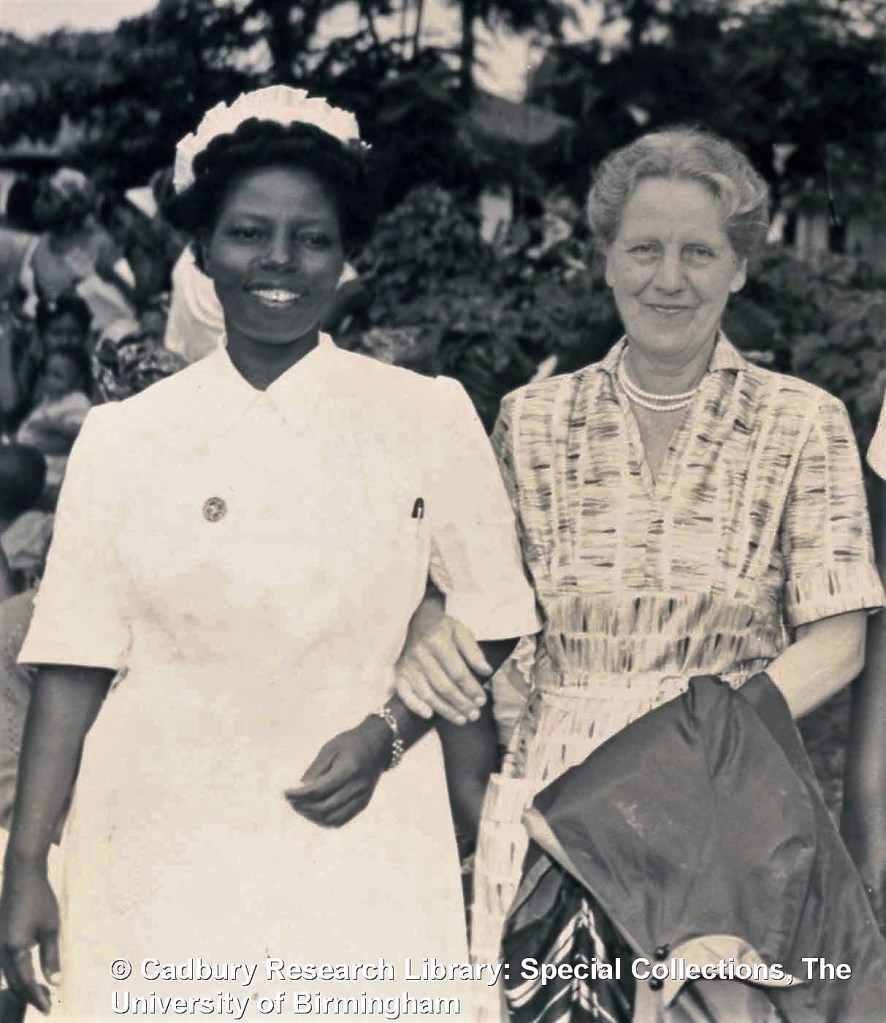
Sybil Batley (b. 1897 in Ipswich and d. 1978 in Manchester) with a nursing colleague: The young Sybil lived in Cauldwell Hall Road and attended Ipswich High School for Girls. She qualified as a doctor specialising in women’s health in the 1920s and had a very successful career as a medical missionary in west Africa. She ran a women’s hospital in Nigeria and then became the Regional Medical Advisor for West Africa.
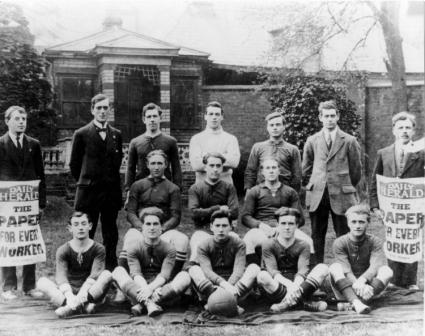
The Ipswich Labour Party Football Team was one of the popular social and recreational activities provided by the Party in the post-war years. Yes, I know these aren’t women, but I like the photo.
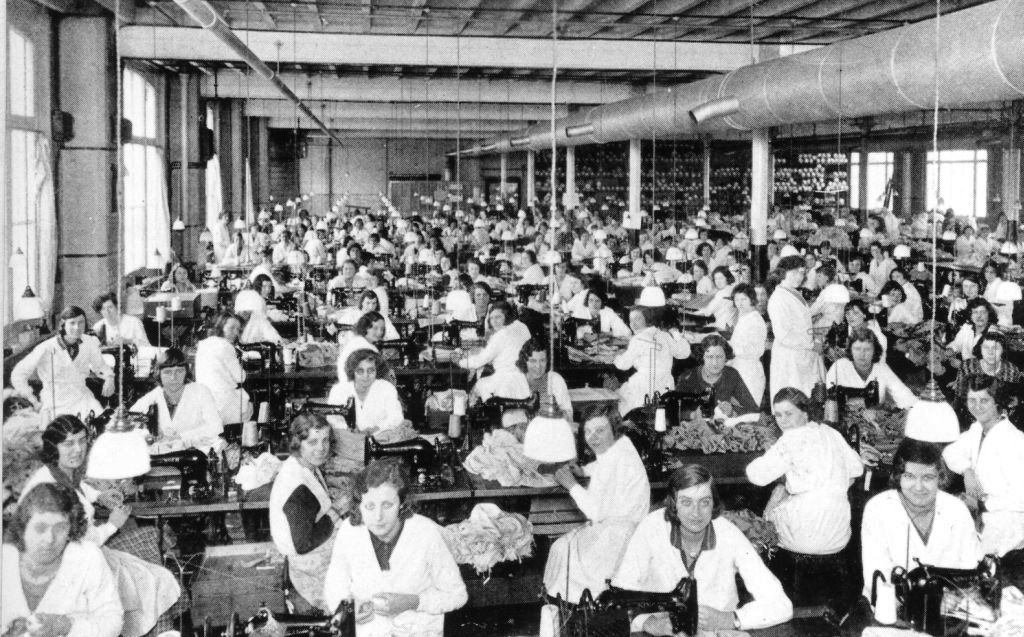
Women were the mainstay of the William Pretty & Son workforce, the largest corset factory in the area. It must have employed many thousands of local women over the years.
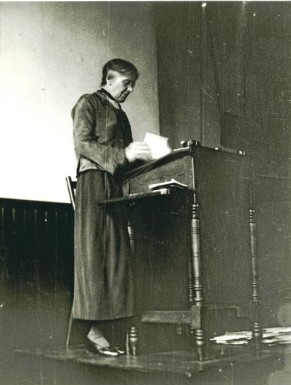
Bertha Kennett (1882-1935): Headmistress of Ipswich High School for Girls and campaigner for votes for women. According to Joy Bounds, who has written about the campaign in Ipswich, Miss Kennett was president of the Ipswich & County Women’s Suffrage Society and also took part in some WSPU activities in London. This photo was taken in the 1920s at the Perse School for Girls, Cambridge.
Second World War
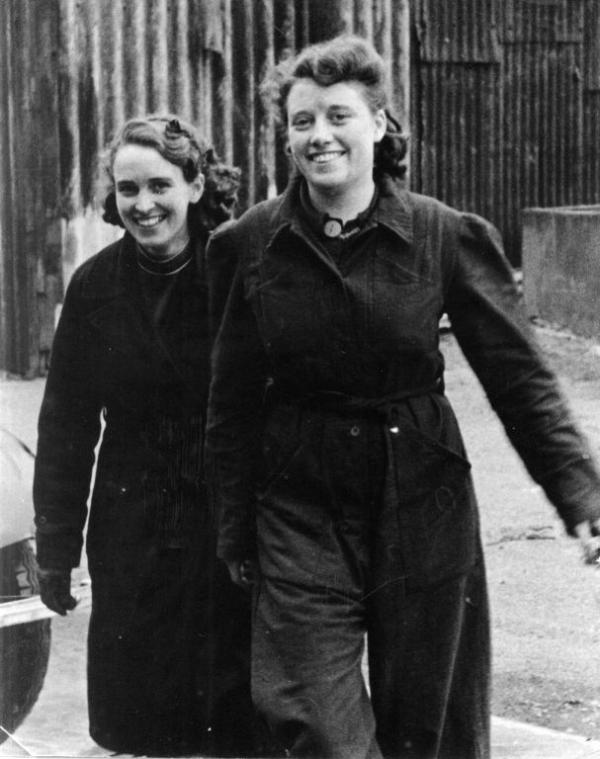
A wonderful photo of two war-time workers at Cocksedges.
 Fieldwork